



Hail Damage From Summer Still on Your Car? What Happens If Another Storm Hits This Winter?
Colorado Springs weather doesn’t always follow the calendar. A summer afternoon can bring damaging hail, while fall and winter introduce freezing temperatures, snow, ice, and unpredictable storms.
For drivers who haven’t repaired their vehicle’s summer hail damage, the changing seasons raise an important question:
What happens if your car gets damaged again before the original hail damage is repaired?
Will your insurance company cover the new damage? Can you file another claim? And how does an insurance adjuster determine which dents came from the original storm and which ones are new?
The answers depend on your insurance coverage, the circumstances of each incident, and how well the damage has been documented.
At Dentagon Auto Hail Repair in Colorado Springs, we help vehicle owners understand the hail damage inspection and repair process, including situations where existing damage may complicate a new insurance claim.
Can You File Two Hail Damage Insurance Claims on the Same Vehicle?
Yes. In many situations, a vehicle owner can file separate insurance claims for damage caused by different covered weather events.
For example, imagine your SUV sustained hail damage during a July storm in Colorado Springs. You filed an insurance claim, received an estimate, but decided to postpone repairs.
Several months later, another storm causes additional damage to the same vehicle.
Depending on your policy and the circumstances, the second incident may qualify as a separate claim.
However, insurance companies generally won’t pay twice for the same damage.
Your insurer will need to determine which damage existed before the second event and which damage resulted from the new incident.
This is where documentation becomes especially important.
How Do Insurance Companies Separate Old Hail Damage From New Damage?
Distinguishing between two separate damage events isn’t always straightforward.
Hail dents can appear nearly identical, especially when the same panels are affected more than once.
Insurance adjusters may review several types of information when evaluating a second claim.
Previous Insurance Estimates
If you filed a claim after the first storm, your original estimate may provide a record of the affected panels and the damage identified at that time.
This information can help establish which areas of the vehicle were already damaged.
However, an estimate may not capture every dent, particularly if some damage was difficult to identify during the original inspection.
Photographs From the First Storm
Photographs taken shortly after the original hailstorm can help establish the vehicle’s condition.
Clear images of the hood, roof, trunk, doors, and other affected panels may provide useful evidence.
Photographs are especially helpful when they include multiple angles and show the extent of the damage.
Professional Hail Damage Inspections
A professional inspection can help identify the location, number, and severity of dents across the vehicle.
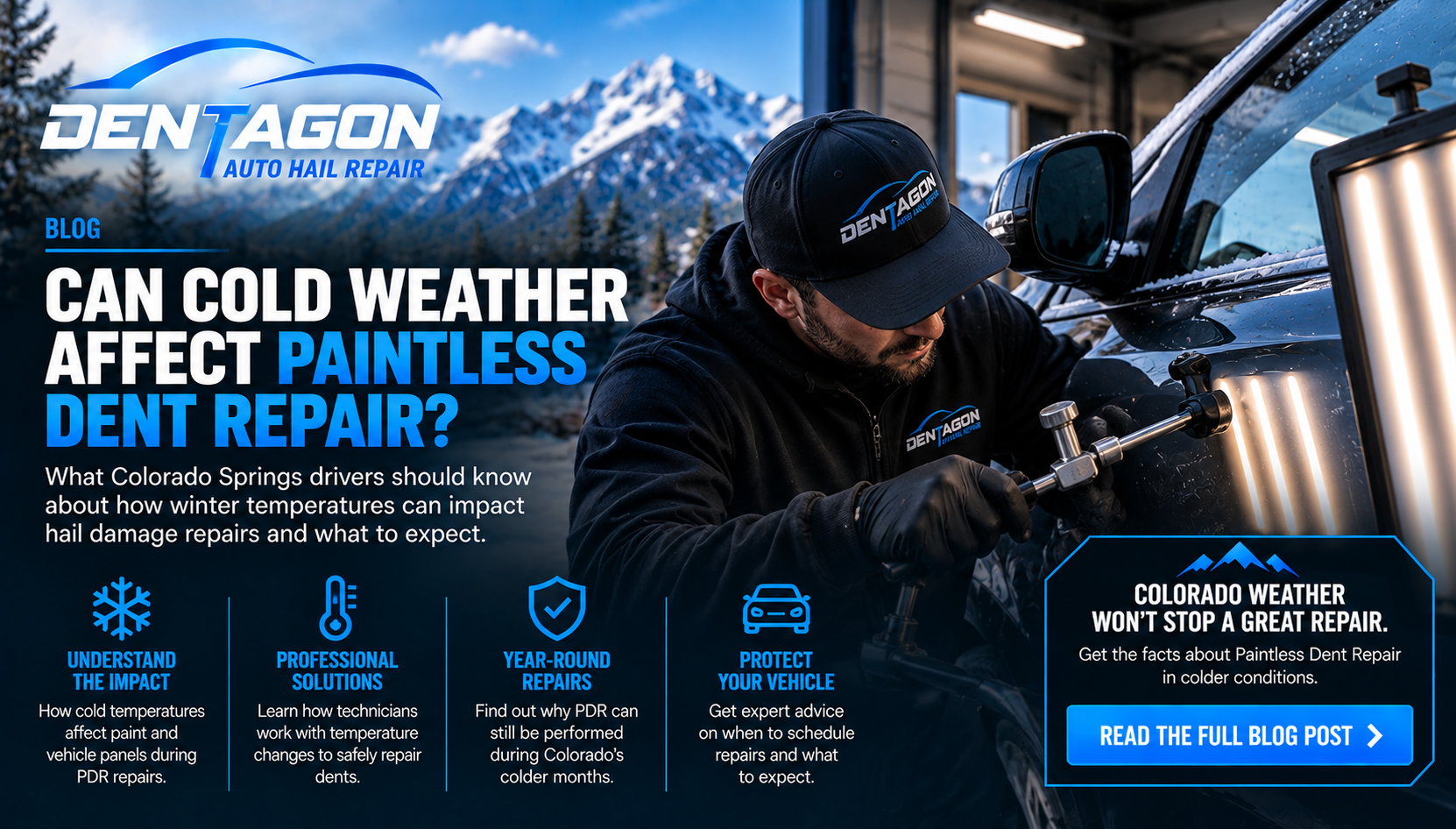
Paintless Dent Repair technicians use specialized lighting to reveal subtle damage that may be difficult to see under ordinary conditions.
An inspection record created before a second storm can provide a useful reference when comparing damage from different events.
Weather and Claim Information
Insurance companies may also review storm dates, reported locations, claim records, and other available information.
However, weather reports alone generally cannot establish exactly when a particular dent occurred.
The overall evaluation depends on the available evidence and the insurer’s investigation.
What Happens If New Hail Hits an Already Damaged Panel?
This is one of the more complicated situations involving multiple hail damage insurance claims.
Suppose your vehicle’s hood already contains several dents from a summer storm.
A second storm strikes the same hood, creating additional dents and potentially affecting areas that were already damaged.
The insurance company must evaluate the additional covered damage without duplicating payment for the original loss.
In some situations, the new damage can be distinguished from the old damage.
In others, overlapping damage may make the assessment more complicated.
The final claim determination may depend on previous estimates, repair records, photographs, policy terms, and the insurer’s assessment.
Having an existing hail damage claim doesn’t automatically prevent you from filing another claim. But it can make accurate documentation and damage evaluation more important.
What If You Already Received an Insurance Check but Never Repaired Your Car?
Many Colorado Springs drivers receive an insurance settlement for hail damage and postpone the actual repairs.
Whether you can keep the settlement without repairing the vehicle depends on your policy, ownership or financing arrangements, and any applicable conditions.
If another covered storm damages the vehicle, the previous payment may become relevant to the new claim.
For example, an insurer may account for damage that was already compensated under the first claim when evaluating additional damage.
There may also be restrictions or obligations if your vehicle is financed or leased.
If you’re unsure how an earlier payment affects your coverage, contact your insurance company and review the terms of your policy.
A professional repair facility can help inspect the vehicle and explain the repair work that may be necessary, but your insurer determines coverage and claim payments.
Will You Have to Pay Another Insurance Deductible?
Potentially, yes.
When two separate incidents result in two separate comprehensive insurance claims, each claim may be subject to its own deductible.
For example:
- Your vehicle sustains hail damage in July.
- You file a comprehensive insurance claim with a $500 deductible.
- The damage remains unrepaired.
- Another covered storm damages your vehicle in November.
- You file a second claim.
If both claims are covered separately and your policy applies a $500 deductible to each, you could be responsible for two deductibles.
However, deductible amounts and their application vary by policy, insurer, and circumstances.
Some policies may contain special provisions for certain weather-related losses.
Always confirm the deductible requirements with your insurance company rather than assuming a second claim will be handled exactly like the first.
Dentagon can also explain available deductible assistance options for qualifying repairs.
Does Existing Hail Damage Affect Your Insurance Coverage?
Existing hail damage doesn’t necessarily eliminate comprehensive coverage for future weather events.
However, insurers generally distinguish between pre-existing damage and new covered losses.
That means your insurance company may decline to pay for damage that occurred before the new incident or that was already compensated.
Other factors can also affect coverage, including policy exclusions, reporting requirements, coverage changes, and the vehicle’s condition.
If you have unresolved hail damage, it’s important to understand how your insurer will treat that damage if another loss occurs.
Keeping accurate records and addressing repairs promptly can help reduce uncertainty.
Can Winter Weather Make Existing Hail Damage Worse?
Winter conditions don’t automatically make ordinary hail dents more severe.
When a hail impact leaves the factory paint intact, the damage is often cosmetic, and cold weather alone typically doesn’t cause the dent to spread.
However, certain conditions deserve attention.
Cracked or Chipped Paint
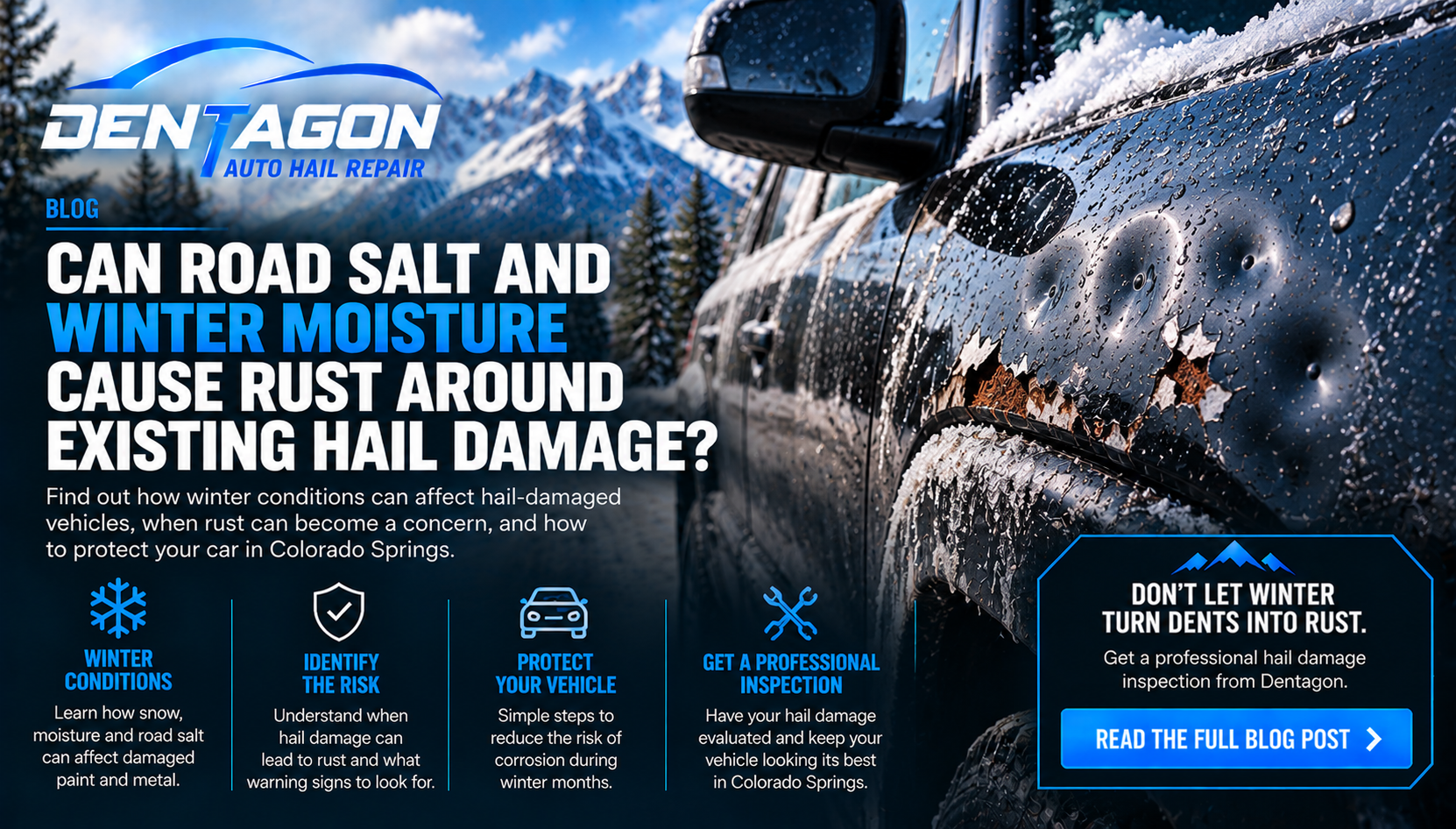
If an impact damages the paint finish, moisture and road contaminants may reach exposed metal.
Over time, this can contribute to corrosion, particularly on susceptible steel surfaces.
Additional Physical Damage
Ice, falling branches, road debris, and other winter hazards can create new damage.
If the vehicle already has hail dents, distinguishing new damage from existing damage may become more difficult.
Poor Visibility of Existing Dents
Snow, ice, dirt, and changing light conditions can conceal small dents.
A vehicle that appears relatively undamaged in winter may reveal considerably more hail damage under specialized inspection lighting.
These are good reasons to have your vehicle inspected rather than assuming existing damage can simply be ignored indefinitely.
Should You Repair Summer Hail Damage Before Another Storm?
In many cases, repairing existing hail damage before another weather event is the simplest approach.
Once the original damage has been properly repaired, there is a clearer starting point for evaluating any future damage.
This can offer several practical benefits.
Clearer Insurance Documentation
Completed repairs and repair records help establish the vehicle’s condition after the original claim.
If another storm causes damage, there is less uncertainty about which dents were present beforehand.
Preserving Your Vehicle’s Appearance
Professional Paintless Dent Repair can restore qualifying hail-damaged panels without conventional body filler or repainting.
Maintaining the vehicle’s appearance can also be beneficial when selling or trading it in.
Addressing Compromised Paint
If hail impacts damaged the paint, having those areas evaluated helps identify whether additional repairs are necessary to protect the affected surfaces.
Avoiding Overlapping Repair Complications
Multiple incidents affecting the same panels can complicate inspections, repair planning, and insurance evaluations.
Completing the original repairs may make future damage assessments more straightforward.
What Should You Do If Your Car Gets Damaged Again?
If your vehicle experiences another hailstorm or weather-related incident before the original damage has been repaired, take the following steps.
Step 1: Document the New Incident
Record the date, approximate time, location, and circumstances of the storm.
Take photographs of the vehicle as soon as it is safe to do so.
Step 2: Preserve Your Original Claim Records
Keep copies of your previous insurance estimate, claim number, photographs, payment information, and any inspection records.
These documents may help establish the condition of your vehicle before the second incident.
Step 3: Contact Your Insurance Company
Report the new damage according to your policy’s requirements.
Explain that the vehicle already had unrepaired damage from an earlier storm.
Accurate disclosure helps the insurer evaluate the new claim.
Step 4: Schedule a Professional Hail Damage Inspection
A professional inspection can help identify visible damage, assess repairability, and document the vehicle’s current condition.
The inspection may also reveal dents that are difficult to see in ordinary lighting.
Step 5: Review the Repair Plan
Once the insurer has evaluated the claim, review the proposed repair work and any applicable deductible or out-of-pocket expenses.
If additional damage is discovered during the repair process, the repair facility may be able to provide documentation for the insurer’s review.
Can Paintless Dent Repair Fix Damage From Multiple Hailstorms?
Often, yes.
Paintless Dent Repair can be an effective solution for qualifying dents regardless of whether they occurred during one storm or several separate events.
What matters most is the condition of the damaged panels.
PDR is generally appropriate when the paint remains intact and the metal can be reshaped without conventional refinishing.
However, deeply stretched dents, cracked paint, sharp impacts, or previous repairs may affect whether PDR is suitable.
The number of storms alone doesn’t determine repairability.
An experienced technician evaluates the vehicle’s current condition and recommends the appropriate repair approach.
Hail Damage Repair and Insurance Claims Assistance in Colorado Springs
Colorado Springs drivers experience some of the most unpredictable weather conditions along the Front Range.
If your vehicle still has hail damage from summer, you don’t have to wait for another storm to find out what your repair options are.
At Dentagon Auto Hail Repair, we specialize in Paintless Dent Repair for qualifying automotive hail damage.
Our team can inspect your vehicle, explain the repair process, and help you navigate the documentation involved in an insurance claim.
Whether you’re dealing with an older claim, newly discovered dents, or damage from multiple storms, we’ll help you understand the next steps.
Don’t Wait for Another Storm to Complicate Your Hail Damage
If your vehicle still has unrepaired hail damage, now is a good time to have it professionally evaluated.
Schedule your hail damage inspection with Dentagon Auto Hail Repair in Colorado Springs.
We’ll help you understand the condition of your vehicle, explore your repair options, and move forward with confidence.
SCHEDULE YOUR FREE HAIL DAMAGE INSPECTION